

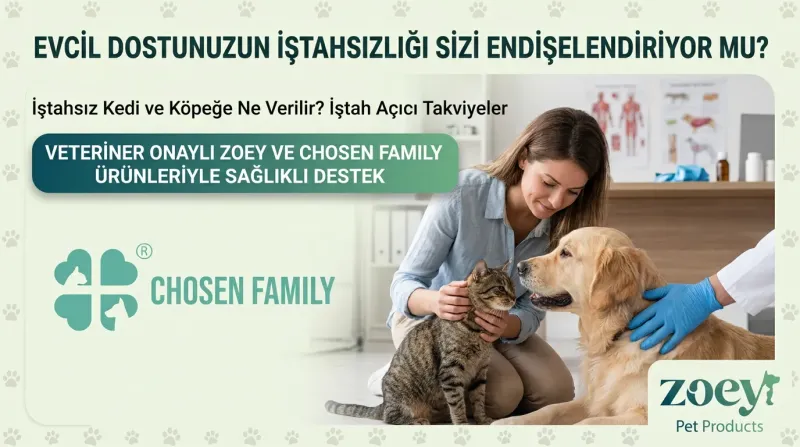
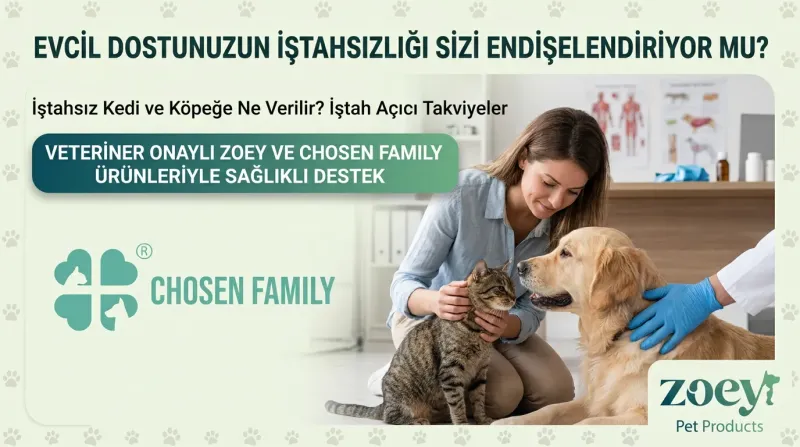
When your beloved pet turns their nose up at their food bowl or skips meal times, it's a cause for concern for any pet parent. A cat or dog's loss of appetite can signal an underlying health issue, or sometimes, it might stem from simple environmental factors. So, what can you give a cat or dog that's not eating? What steps can you take to help them enjoy their meals again?
In this article, we'll discuss the potential causes of appetite loss, practical solutions you can implement at home, and the importance of appetite-boosting supplements that can be used with your veterinarian's approval. Remember, at CHOSEN FAMILY and ZOEY, your pet's health and happiness are always our top priority.
Why Might Your Pet Not Be Eating? Potential Causes of Appetite Loss
Your pet's lack of appetite can be due to many different reasons. Understanding these causes is the first step in finding the right solution.
1. Health Problems: A Vet Check is Essential!
Appetite loss can often be the first sign of an underlying health issue. Therefore, the first thing you should do when you notice your pet isn't eating is to consult your veterinarian.
- Digestive System Problems: Stomach upset, intestinal parasites, or inflammation can lead to a loss of appetite.
- Dental and Oral Health Issues: Tooth pain, gum inflammation, or mouth sores can make eating painful.
- Infections: Viral or bacterial infections can cause general lethargy and loss of appetite.
- Organ Diseases: Problems with organs like the kidneys, liver, or pancreas can trigger appetite loss.
- Pain: Joint pain or pain elsewhere in the body can reduce your pet's desire to eat.
2. Environmental and Psychological Factors
Sometimes, the reason for appetite loss isn't medical but rather environmental or psychological.
- Stress and Anxiety: Moving to a new home, a new pet, changes in the family, or separation anxiety can affect appetite. Products like Zoey Relax Malt Paste can help them calm down during stressful situations.
- Food Change: Abruptly changing their food or simply disliking the new food.
- Food Bowl Location or Cleanliness: The food bowl being in a noisy area or not being clean enough.
- Hot Weather: Especially in the summer months, high temperatures can decrease their appetite.
When Should You See a Veterinarian?
If you observe one or more of the following symptoms in addition to your pet's loss of appetite, you should contact your veterinarian without delay:
- Loss of appetite lasting longer than two days.
- Vomiting or diarrhea.
- Lethargy, drowsiness, or loss of energy.
- Fever.
- Decreased or increased water intake.
- Behavioral changes (aggression, hiding).
- Weight loss.
What Can You Do at Home? Tips to Encourage Appetite
After consulting with your veterinarian and confirming there isn't a serious health issue, you can help your pet regain their appetite with a few methods you can try at home.
- Warm the Food: Slightly warmed food can become more aromatic, attracting your pet's interest.
- Try Different Food Types: If they refuse dry food, you can try wet food or treat pastes like Zoey Meat Treat Paste.
- Small, Frequent Meals: Instead of large portions at once, offer smaller meals more frequently throughout the day.
- Change the Food Bowl Location: Choose a spot where they feel calmer and more secure.
- Play and Exercise: A short play session or walk before mealtime can stimulate their appetite.
- Fresh Water: Ensure they always have access to fresh, clean water.
Appetite-Boosting Supplements: Support for Your Furry Friend
In some cases, especially during recovery periods, in old age, or when experiencing general weakness, using appetite-boosting supplements with your veterinarian's recommendation can be very beneficial. As ZOEY and CHOSEN FAMILY brands, we offer veterinarian-approved products developed with scientific formulations for these specific needs.
Featured Product: Chosen Family Convalescence Plus Liquid
When your pet is experiencing appetite loss, especially needing nutritional support during post-illness or challenging times, Chosen Family Convalescence Plus Liquid might be exactly what you're looking for. This special formula helps your cat and dog:
- Stimulate Appetite and Encourage Eating & Drinking: In situations where food intake is reduced, it guides your pet towards their food with its nutritional components.
- Support the Recovery Period: It provides essential nutrients like carbohydrates, fats, and proteins needed during the recovery process after illness or surgery.
- Prevent Dehydration: Helps maintain the body's water balance thanks to its osmolytic supplements.
- Support Heart Health: Its Omega 3 and Omega 6 fatty acids protect heart health and offer a protective effect against cardiovascular disorders. It also has a cholesterol-lowering effect.
You can use Chosen Family Convalescence Plus Liquid with your veterinarian's recommendation to help your pet recover quickly and healthily.
Other Supportive Supplements
Depending on the underlying cause of appetite loss or the general health status, other supplements can also play a supportive role:
- Multivitamins: Multivitamins that support general health and energy levels can indirectly help improve appetite. For cats, Zoey Multivitamin Malt Paste for Cats can be chosen, and for both cats and dogs, Chosen Family Vitaplus (Capsule) is a good option.
- Omega-3 Fatty Acids: Omega-3s, which support skin, coat, and overall immune health, can help your pet feel better, thereby increasing their appetite. Zoey Salmon Oil is a great choice for this.
- Liver Support: Liver health has a significant impact on digestion and appetite. If your veterinarian deems it appropriate, products like Chosen Family Liver / Lysine Plus (Capsule) or Chosen Family Liver / Lysine Plus Liquid can be used.
Choosing the Right Supplement: Veterinarian-Approved Quality
When selecting supplements for your pet, the quality and reliability of the product are of great importance. As ZOEY and CHOSEN FAMILY brands, we meticulously formulate our products in line with international standards and ethical values, with the input of our veterinarians. Our ingredients, supported by scientific research, aim to contribute to your pet's health in the best possible way.
As always, consulting your veterinarian before starting any supplement will help you determine the most appropriate and safest path for your pet.
Conclusion: Love and Informed Care Come First
While your pet's loss of appetite might be upsetting, it's possible to overcome this situation with the right approaches. Remember, appetite loss is a symptom, and seeking professional help to find the underlying cause is vital. Under your veterinarian's guidance, with practical solutions you implement at home and the scientifically formulated, veterinarian-approved supplements from ZOEY and CHOSEN FAMILY, you can help your pet eat healthily and happily again.
Their health is our happiness. Family always comes first!