The liver is a vital organ performing over 500 metabolic functions, including detoxification, protein synthesis, and lipid metabolism. In cats and dogs, the accumulation of excessive lipids in hepatocytes leads to Hepatic Lipidosis (Fatty Liver Disease), a clinical emergency that requires prompt medical and dietary intervention.
How Does Hepatic Lipidosis Develop?
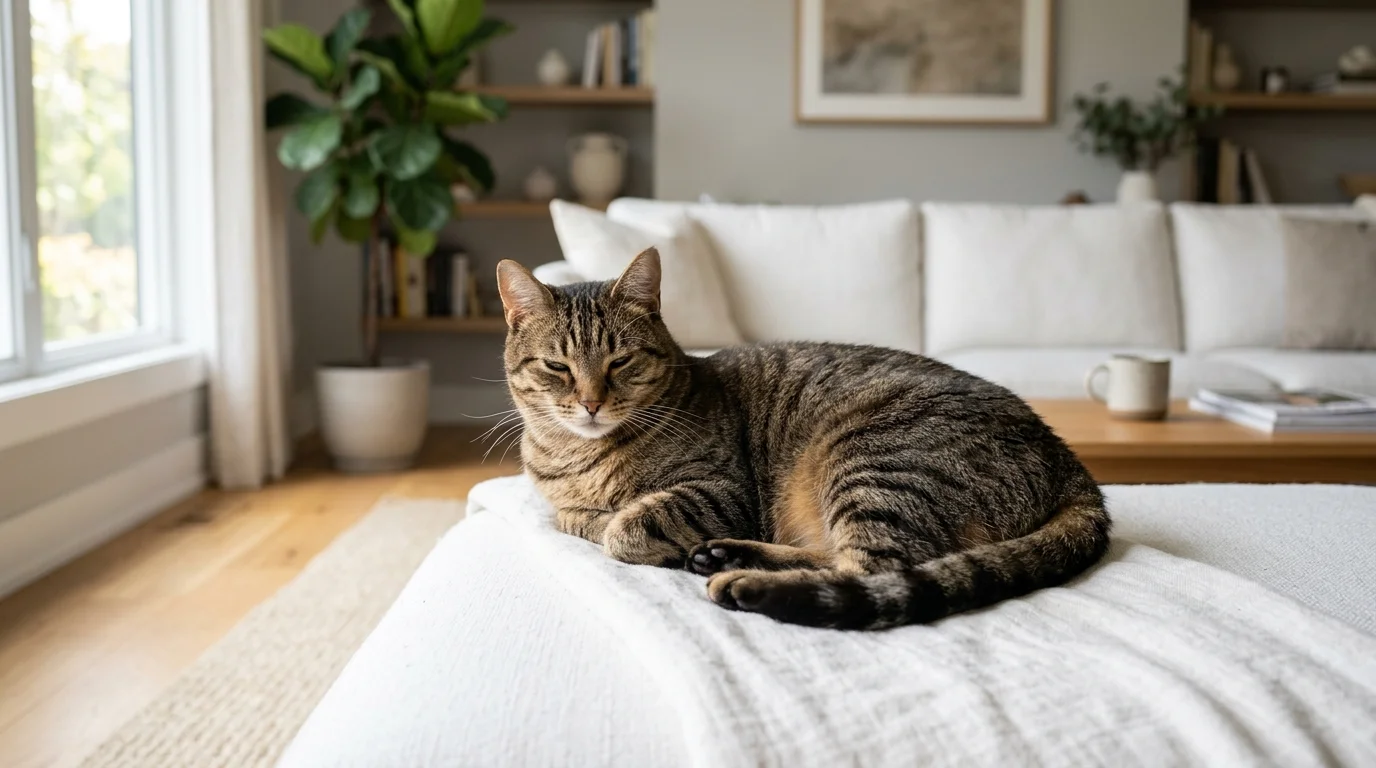
When an overweight cat stops eating due to stress, illness, or diet transitions, the body rapidly mobilizes peripheral fat stores to meet energy demands. These fatty acids overwhelm the liver, building up inside hepatocytes and impairing function. Without support, this leads to acute liver failure, jaundice, and potential death.
L-Carnitine: The Key to Fatty Acid Beta-Oxidation
L-Carnitine is an essential nutrient derivative required to transport long-chain fatty acids across the inner mitochondrial membrane for beta-oxidation (energy production).
- Accelerates Lipid Processing: Supplementation of L-Carnitine facilitates the oxidation of accumulated fat in liver cells.
- Protects Hepatic Tissue: By resolving fatty infiltration, it protects hepatic structural integrity and supports cellular regeneration.
- Spares Muscle Mass: Prevents lean body mass wasting during periods of anorexia or systemic recovery.
Artichoke Leaf Extract for Biliary Health
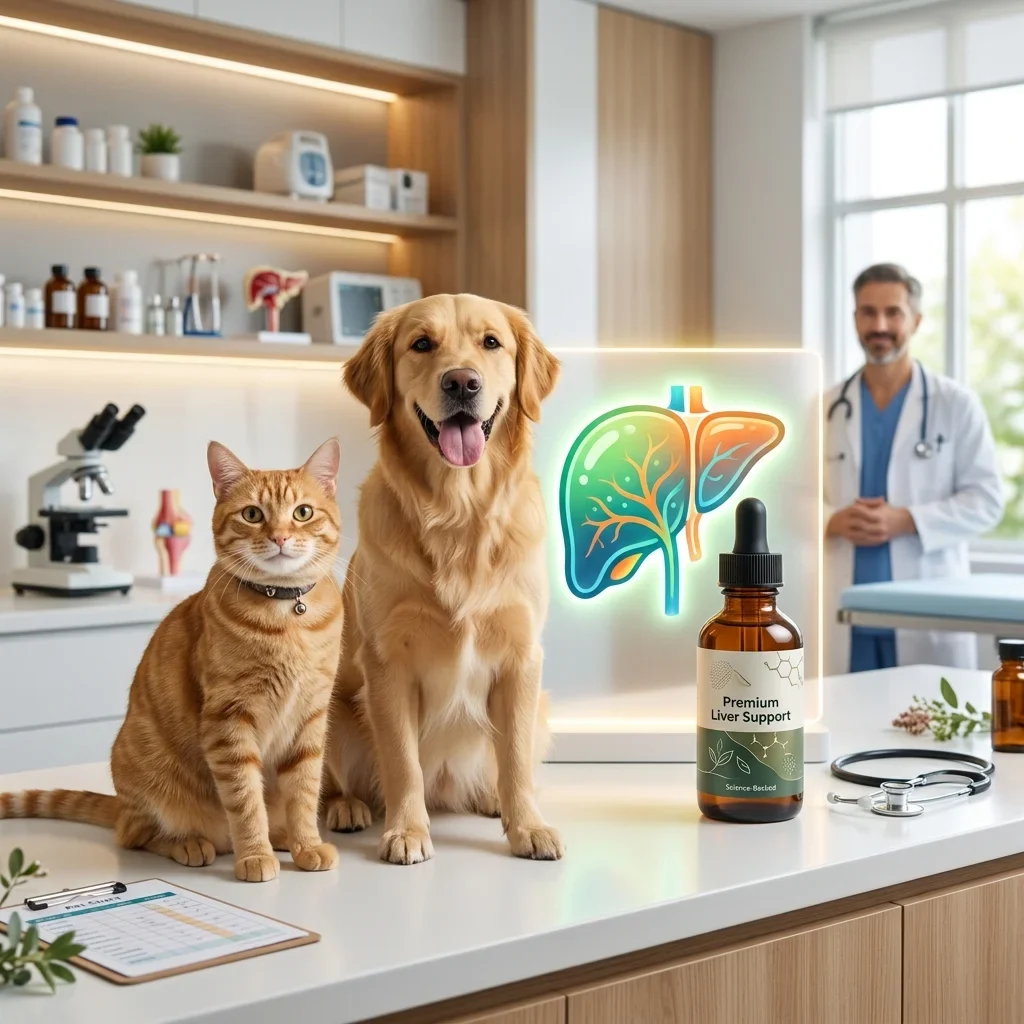
Synergizing L-Carnitine with Cynara scolymus (Artichoke Leaf Extract) provides double protection. Silybin and cynarin in artichoke promote bile flow, assisting in the clearance of hepatotoxins. Zoopa’s Chosen Family Liver / Lysine Plus supplement range presents these compounds in clinical grade ratios to ensure optimal hepatic recovery.
Early diagnosis and clinical nutritional support are vital. Consult your veterinarian immediately if your pet displays lethargy, anorexia, or vomiting, and ask about liver protection supplements.