

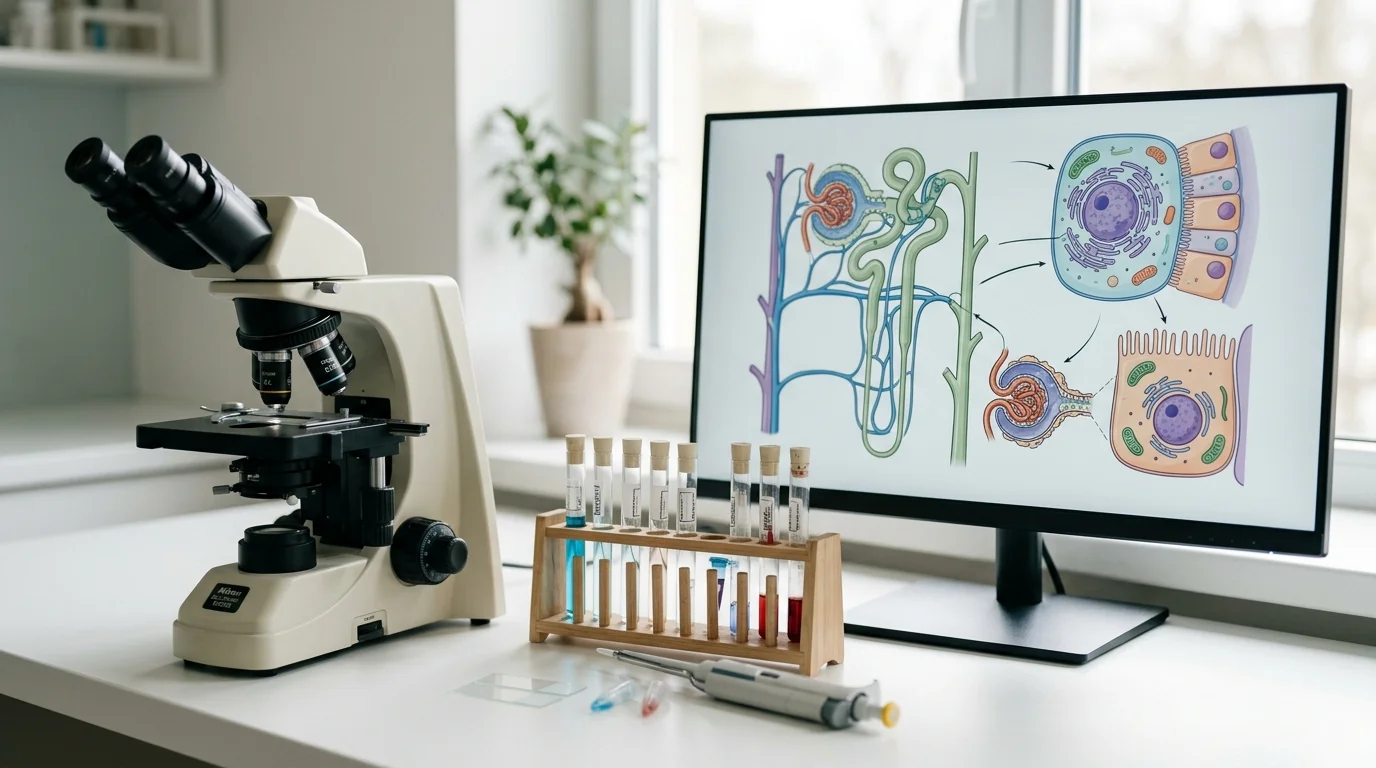
The kidneys are vital organs responsible for filtering nitrogenous wastes (such as urea and creatinine), regulating fluid balance, and maintaining electrolyte stability. In cats and dogs, the progressive loss of functional renal tissue is clinically termed Chronic Kidney Disease (CKD), requiring long-term medical management.
The Silent Progression of Kidney Disease
Kidneys possess a high functional reserve. Clinical signs or standard laboratory abnormalities (elevations in blood urea nitrogen and creatinine) typically do not manifest until approximately 70% to 75% of renal function is irreversibly lost. Early screening using biomarkers like SDMA and routine urinalysis is essential, particularly for pets over 7 years of age.
Nutritional Strategies and Phosphorus Binders
Dietary phosphorus restriction is the cornerstone of managing CKD in pets. High blood phosphorus levels accelerate renal damage.
- Phosphorus Binders (Calcium Carbonate, Chitosan): Clinical supplements like Chosen Family Urinary Plus bind dietary phosphorus in the intestinal lumen, preventing absorption and reducing renal workload.
- Omega-3 Fatty Acids (EPA & DHA): Support renal perfusion, reduce glomerular hypertension, and exert systemic anti-inflammatory effects.
- B-Complex Vitamins: Replenish water-soluble vitamins lost due to compensatory polyuria (increased urination).
Proactive Renal Care
Symptoms of CKD include increased thirst (polydipsia), increased urination (polyuria), weight loss, lethargy, or uremic breath. Consult your veterinarian immediately if you observe these signs and incorporate target solutions like the Chosen Family Urinary Plus and Convalescence Plus support range into their daily regime.